Build inspection from CAD
Why CAD-Driven Inspection
Actually Works
Design geometry → deployable QA logic for high-mix lines.
RoseVision CAD Studio trains directly from your STEP files and deploys on your edge hardware — so you catch defects earlier, cut scrap, and keep inspection stable even as parts and finishes change. Built by Joseph Cole, PhD and the team at Rose City Robotics.
Injection molding (flash, sink, short shots) • Die casting (porosity, inclusions) • Stamped sheet (warp, surface)
What we do
We convert your CAD/STEP into deployable inspection logic. No brittle threshold rules. No waiting for a big dataset of bad parts. Pass/fail + defect localization outputs integrate to your PLC, robot, or HMI.
- CAD → inspection model
- Jetson Orin Nano/NX or x86—on‑prem
- Works with FLIR/IDS USB3 industrial cameras
If your CAD defines what "good" looks like, your QA should start there—not after scrap shows up.
Our process
Upload CAD and context
Drag a STEP file into RoseVision CAD Studio and add the inspection context (part details, defects, features, environment).
Simulate, define, and validate
We build inspection zones and checks from geometry. You confirm tolerances, and we verify cycle‑time fit.
Deploy on your line
We package a production‑ready model for Jetson Orin Nano/NX or x86. Outputs are simple: pass/fail, defect class, location. When the drawing changes, update CAD → regenerate logic → redeploy.
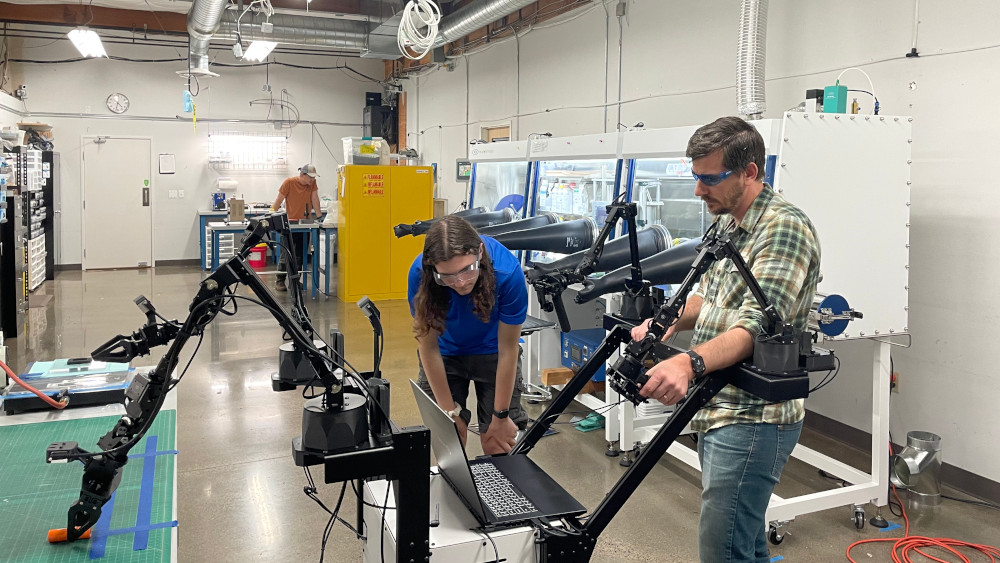
Why factories choose RoseVision CAD Studio
- Catch defects on first shot
-
Because your inspection logic comes from CAD, it's ready the moment parts come off the line — not after scrap has already shipped.
- High‑mix friendly
-
CAD‑driven logic adapts across variants without weeks of re‑tuning.
- Keep your cameras
-
RoseVision runs on the industrial cameras you already have — FLIR, IDS, and compatible USB3 units. Upgrade the inspection logic, not the hardware you already paid for.
- Real support from engineers
-
Built and supported by people who ship to factory floors—not demo teams.
Where it fits best
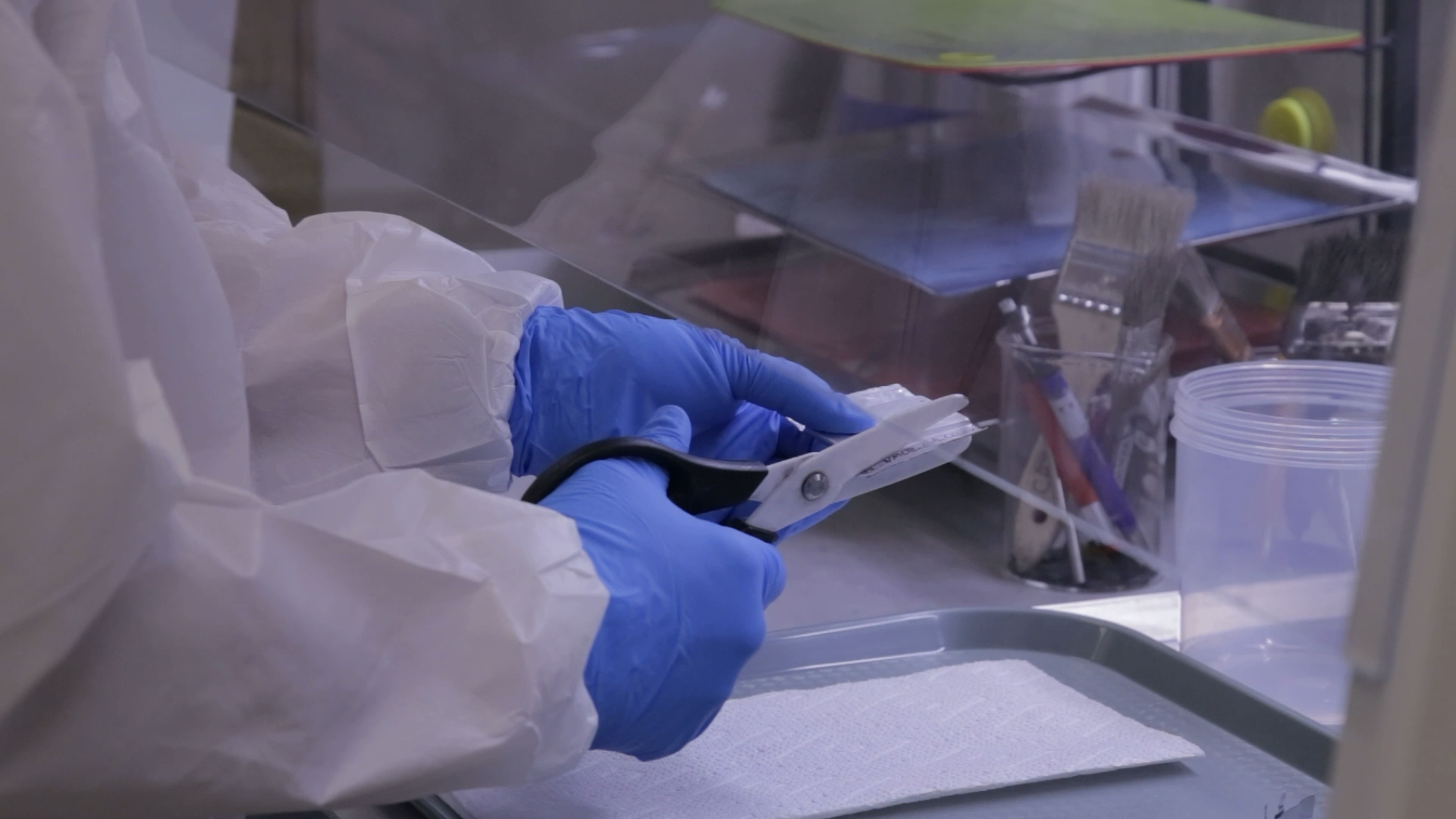
Applications
-
1
Injection molding & plastic enclosures: flash, sink marks, short shots, surface blemishes.
-
2
Die casting & machined housings: porosity indications, inclusions, missing features.
-
3
Stamped & formed sheet metal: warping, incomplete features, cosmetic damage.
Launch Scenarios
- New mold/tool introductions
- Replacing brittle rule‑based QA stations
- Move first‑article inspection earlier
Hardware & integration
Edge Compute
NVIDIA Jetson Orin Nano / Orin NX, or x86 industrial PCs.
Cameras
USB3 (FLIR, IDS) and compatible industrial units.
Outputs
Pass/fail + defect class + location; integrable with PLCs, HMIs, and robot pick/segregate routines.
Environment
Built for production variance and real‑world lighting.
Built by engineers, led by Joseph Cole, PhD
Joseph has spent 20 years shipping machine vision and signal‑processing systems into real production environments—semiconductor inspection, ultrasound imaging, and factory automation.
He founded Rose City Robotics to make QA behave like good tooling: defined, repeatable, and adaptable.
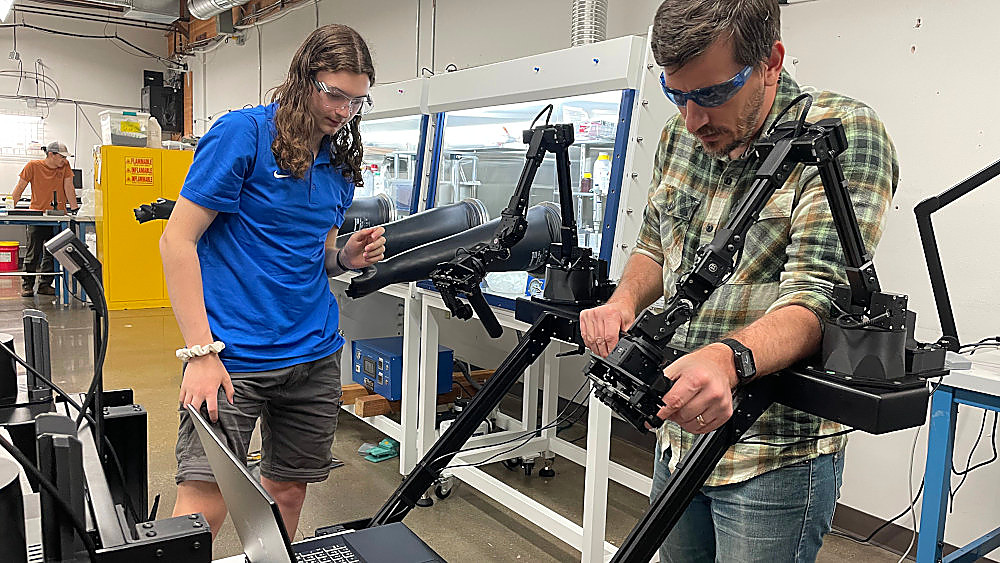
How to get started
Feasibility Sprint
Ship a STEP file and a short video/photo of the inspection setup. We return a model preview, cycle‑time check, and deployment plan. If it meets your requirements, we finalize station integration with your team or preferred integrator.
Factory License / On‑Prem
For ITAR facilities, multi-line deployments, and plants with strict data requirements — fully on-prem, no data leaves your facility. Unlimited builds and SLA support included.
See It In Action
Run your part through RoseVision.
See how CAD‑driven inspection works for your specific application.
Partner‑friendly
System integrators, camera vendors, and machine builders use RoseVision to de‑risk vision on quotes and deliver stations that hold up in the field. Bundle our feasibility sprint or include RoseVision in your cell to reduce support calls and speed installs.
Contact
- Engineering + Sales: hello@rosecityrobotics.com
- Location
- Location: Portland, Oregon
- Lead time
- Typical lead time: Feasibility in days; deployment aligns to your station build.
Software‑first QA. Built from your CAD. Deployed on your line.